The sleeve is a system, not one pattern piece Sleeve head volume: gathers or pleats at the cap Sleeve belly volume: the balloon area on upper arm Sleeve opening control: elastic or cuff that traps air Underarm mobility: enough ease so the wearer can lift arms Puff sleeve options I use in production The most important pattern measurements I control Sleeve cap height: drives puff height and arm mobility Bicep circumference: prevents tightness and seam strain Armscye shape: prevents pulling lines on bodice Cuff/elastic length: controls how much air stays inside Shoulder slope match: prevents sleeve from leaning forward A practical fit test I run on sampling Model raises arms to shoulder height and above head Model sits and reaches forward I check if bodice lifts or bust pulls I check underarm rubbing and seam bite I photograph front/side/back in motion, not just standing Common cheap look triggers and how I avoid them Too much gather with thin fabric I add structure or reduce fullness Puffy sleeve + wrinkly fabric I change weave or add finishing Narrow shoulder seam with big sleeve I widen shoulder and stabilize No lining in light color I add lining or use better fabric opacity How do fabric choices change the performance of a puff-sleeve A-line dress
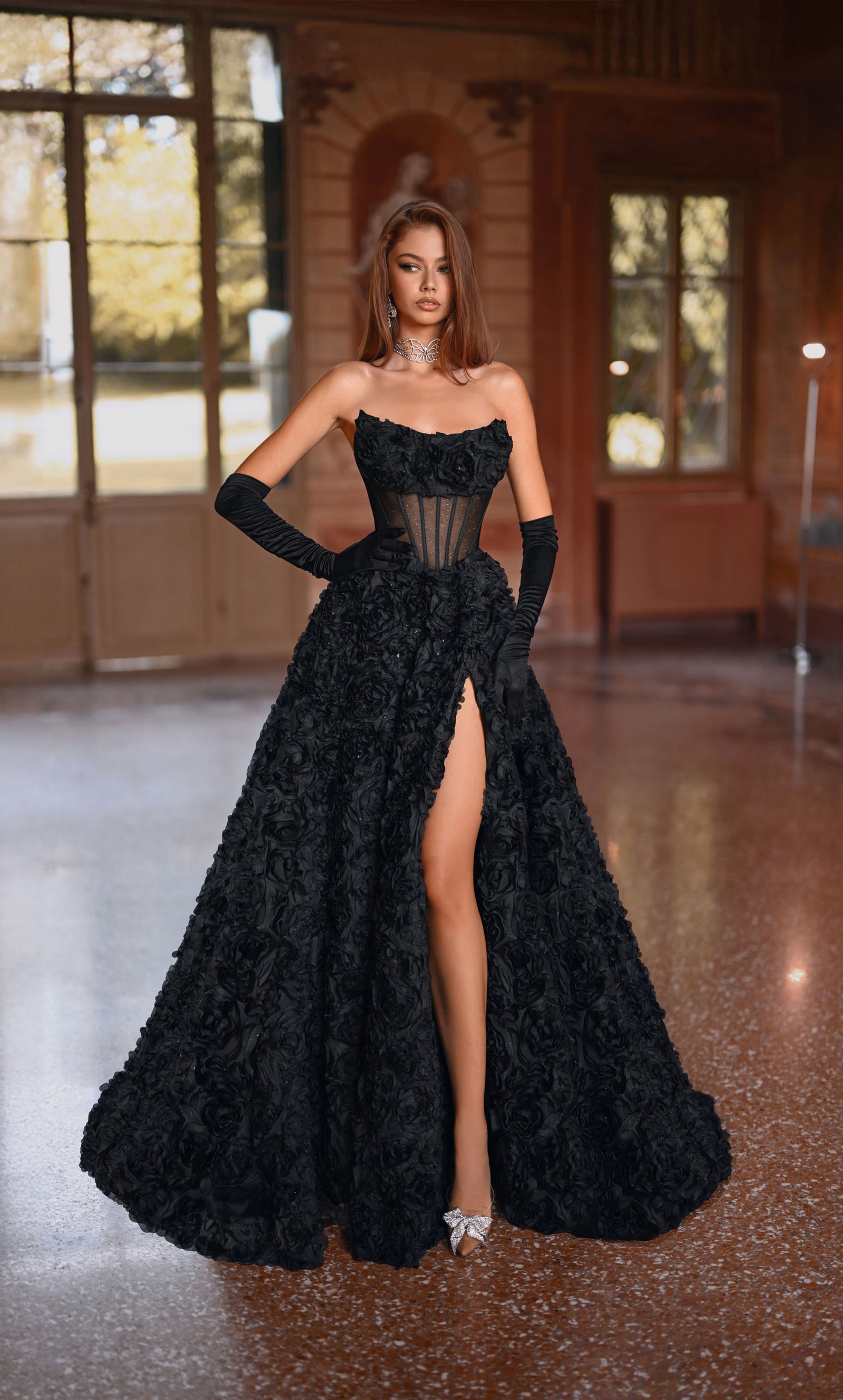
When youre unsure, choose a classic silhouette, avoid extreme cutouts or overly provocative styling, and build a look that reads occasion through fabric and finish
Hourglass Shape: The A-line silhouette naturally accentuates your defined waist and celebrates your curves without being restrictive
Fabric: Light to medium-weight knit fabric with drape, such as viscose, rayon, bamboo, or Tencel jersey
The barely-there Feather-Lite was Caldwells pick for her own wedding day, impressively remaining secure all day in the heat
You can pair up light colours, whether thats t-shirts, shirts or jackets, as well as darker colours